Mastering the Art of Bacon Wrapped Pork Tenderloin: A Culinary Showstopper
When it comes to creating a meal that effortlessly balances elegance with ease, few dishes rival the magnificent
bacon wrapped pork tenderloin. If bacon is indeed the little black dress of the culinary world – a versatile, always-appropriate staple – then a perfectly executed bacon wrapped pork tenderloin is undoubtedly the show-stopping gown that commands attention and leaves a lasting impression at any gathering. This isn't just another dinner; it's an experience, promising juicy, tender pork infused with savory, smoky bacon, and often brightened by an aromatic herbaceous rub. Whether you're aiming for a memorable weeknight meal or a show-stopping center-piece for a special occasion, this dish consistently delivers restaurant-quality results in surprisingly little time.
The allure of
bacon wrapped pork tenderloin lies in its deceptive simplicity. With just a handful of quality ingredients and a few clever techniques, you can transform a humble pork tenderloin into a culinary masterpiece. What truly elevates this dish from good to unforgettable are a few foundational principles that ensure perfect execution every time. From the art of wrapping bacon to infusing layers of flavor and achieving that coveted crispy exterior, understanding these elements is key to unlocking the full potential of this beloved recipe. For more foundational knowledge on this incredible dish, make sure to check out
bacon wrapped pork tenderloin - Article 1 which covers basic preparations and essential tips.
The Foundation of Flavor: Choosing Your Ingredients Wisely
The journey to an exceptional
bacon wrapped pork tenderloin begins with ingredient selection. Quality truly makes a difference here.
*
Pork Tenderloin: Opt for a lean, silver-skinned pork tenderloin, typically weighing between 1 to 1.5 pounds. Look for cuts that are uniform in thickness to ensure even cooking. Trim any visible silver skin or excess fat, as these can become tough and chewy during cooking.
*
Bacon: This is where much of the magic happens. Choose thin-cut, high-quality bacon. While thick-cut bacon can be tempting for its meaty texture, it often struggles to crisp up fully and evenly around the tenderloin, potentially leading to a less satisfying result. Thin-cut bacon cooks faster, crisps beautifully, and adheres better. Avoid heavily flavored or maple bacon, as these can overpower the delicate pork.
*
Aromatic Rub: The reference highlights olive oil, rosemary, and garlic – a classic and incredibly effective trio.
*
Olive Oil: Acts as a binder for the herbs and spices, helps tenderize the meat, and promotes a nice sear.
*
Fresh Rosemary: Its piney, earthy notes complement pork beautifully. If using dried, use about half the amount.
*
Garlic: Freshly minced garlic is always best for its pungent, aromatic kick.
*
Salt and Pepper: Crucial for seasoning the pork directly. Don't rely solely on the bacon for salt; seasoning the tenderloin itself ensures deep flavor penetration.
By focusing on these core components, you set the stage for a truly remarkable dish. The simplicity of the ingredients allows their individual qualities to shine through, creating a harmonious blend of tastes and textures that define a perfectly cooked
bacon wrapped pork tenderloin.
Mastering the Technique: Wrapping, Rubbing, and Roasting for Perfection
What sets a truly outstanding
bacon wrapped pork tenderloin apart from a merely good one are the specific techniques employed during preparation and cooking. These methods are designed to maximize flavor, ensure even cooking, and deliver that irresistible crispy bacon shell.
The Art of the Even Bacon Wrap
The biggest challenge for many is getting the bacon to wrap evenly and crisp beautifully. The secret lies in a method that ensures full coverage without excessive overlap, allowing the bacon to cook uniformly.
1.
Prepare the Tenderloin: After trimming the silver skin, pat the pork tenderloin completely dry with paper towels. This is crucial for both the rub to adhere and the bacon to stick.
2.
Apply the Aromatic Rub: In a small bowl, combine olive oil, finely minced fresh rosemary, and minced garlic. Season the pork tenderloin generously all over with salt and freshly ground black pepper. Then, rub the aromatic mixture liberally over the entire surface of the tenderloin. This step is vital for infusing flavor directly into the pork before it's encased in bacon.
3.
The Wrapping Technique: Lay out your bacon slices on a clean surface, slightly overlapping, creating a "sheet" of bacon. The number of slices will depend on the length of your tenderloin and the width of your bacon, but typically 6-8 slices are needed. Place the seasoned pork tenderloin at one end of the bacon sheet and carefully roll it up, ensuring the bacon adheres snugly to the pork. The goal is to create a seamless, even layer of bacon around the entire tenderloin. You might need to gently stretch the bacon as you wrap to ensure tight coverage. Once wrapped, if necessary, secure the ends with toothpicks, though often the bacon will stick to itself.
For alternative approaches and unique twists on the wrapping technique, you might find additional insights in
bacon wrapped pork tenderloin - Article 2.
The Superior Roasting Method for Crispy Bacon
Many home cooks struggle with soggy bacon when roasting. The professional secret, as highlighted in the reference, is to use an oven-safe wire rack set inside a rimmed baking sheet.
1.
Preheat and Prepare: Preheat your oven to a moderately high temperature, typically around 400°F (200°C). Line a rimmed baking sheet with foil (for easier cleanup) and place a wire rack on top. This setup is critical.
2.
Place the Tenderloin: Carefully place the wrapped
bacon wrapped pork tenderloin seam-side down on the wire rack. Ensure there's space around the tenderloin for air circulation.
3.
The Roasting Process: Roasting on a rack allows heat to circulate completely around the tenderloin. This prevents the bottom bacon from sitting in rendered fat, which would make it soggy. Instead, the fat drips away, and the bacon crisps evenly on all sides.
* Roast for an initial period (e.g., 20-25 minutes) until the bacon starts to crisp.
* You may need to gently turn the tenderloin once or twice during cooking to ensure even browning on all sides of the bacon.
* Continue roasting until the internal temperature of the pork reaches 145°F (63°C) when measured with an instant-read thermometer inserted into the thickest part of the tenderloin. This usually takes between 25-40 minutes total, depending on the thickness of your tenderloin and your oven.
4.
Resting is Essential: Once cooked, remove the
bacon wrapped pork tenderloin from the oven and transfer it to a cutting board. Tent it loosely with foil and allow it to rest for 5-10 minutes. This crucial step allows the juices to redistribute throughout the meat, ensuring a supremely tender and moist result. If you cut it too soon, the juices will run out, leaving the pork dry.
Versatility and Customization: Making it Your Own
Beyond the classic preparation, the
bacon wrapped pork tenderloin offers incredible versatility, allowing you to tailor it to your personal taste or the occasion.
*
Herb Variations: While rosemary is fantastic, consider fresh thyme, sage, or a blend of Italian herbs for different flavor profiles. A touch of smoked paprika or a pinch of red pepper flakes can add warmth and a subtle kick.
*
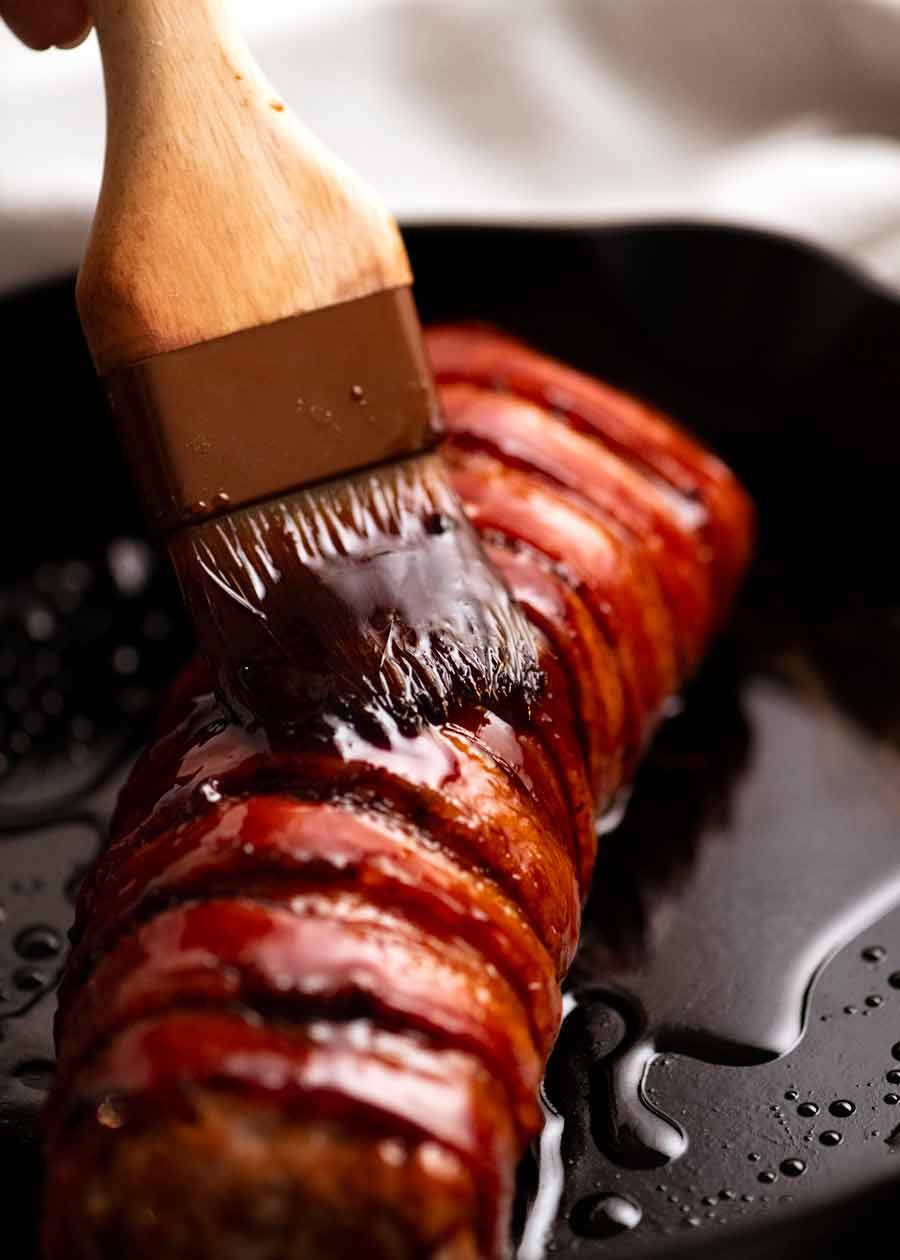
Glazes and Sauces: For a sweeter or tangier finish, consider brushing the tenderloin with a glaze during the last 10-15 minutes of roasting. Options include maple-dijon, balsamic reduction, apricot preserves, or a simple brown sugar glaze. Serve alongside a creamy mushroom sauce, a vibrant chimichurri, or a rich demi-glace.
*
Stuffing the Tenderloin: For an even more elaborate dish, you can butterfly the tenderloin, fill it with a savory stuffing (e.g., spinach and feta, apples and onions, or breadcrumbs with herbs), then roll it up before wrapping with bacon. This adds another layer of flavor and texture.
*
Cooking Methods Beyond Roasting: While roasting is ideal for even crisping, a smaller
bacon wrapped pork tenderloin can also be seared in an oven-safe skillet on the stovetop until the bacon is crisp, then finished in the oven. For summer months, it can even be grilled indirectly, using the same rack principle for drainage and crisping.
Serving suggestions are just as flexible. Pair your elegant
bacon wrapped pork tenderloin with simple roasted vegetables like asparagus or Brussels sprouts, creamy mashed potatoes, a light risotto, or a fresh green salad. Its richness allows for a wide range of complementary sides, making it perfect for both casual family dinners and sophisticated dinner parties.
Conclusion: The Enduring Appeal of Bacon Wrapped Pork Tenderloin
The
bacon wrapped pork tenderloin stands as a testament to how simple ingredients, when handled with a bit of technique and care, can create something truly extraordinary. It's a dish that never fails to impress, offering a harmonious blend of savory, smoky, and herbaceous notes, culminating in a tender, juicy interior and a irresistibly crisp exterior. From the mindful selection of ingredients to the strategic wrapping and the indispensable roasting technique, each step contributes to its show-stopping appeal. Whether you're a seasoned home cook or just starting your culinary journey, mastering this recipe will equip you with a dish that is both elegant and approachable, ensuring satisfaction every time it graces your table. Embrace the process, savor the aromas, and prepare to delight your senses with this timeless classic.